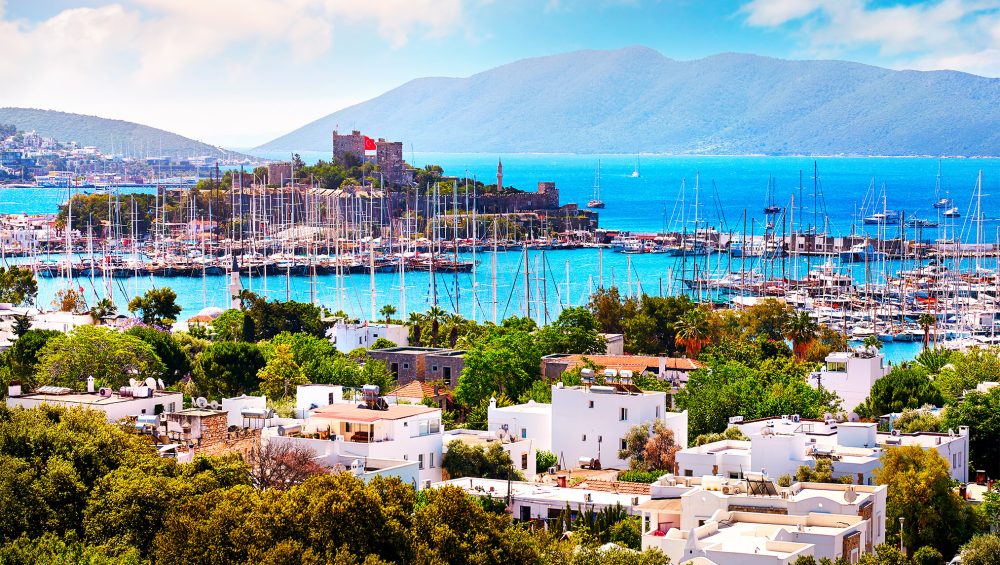
Unveiling Bodrum’s Rich History: Ancient Ruins, Museums, and Timeless Treasures Explore the historical and cultural wonders of Bodrum. From ancient ruins to vibrant museums, discover the hidden stories behind this Aegean paradise. Bodrum is a city where history and culture come alive. From ancient Halicarnassus to Ottoman-era structures, discover the most captivating historical and cultural sites in Bodrum.
A Journey Through Bodrum’s History
Bodrum, located on Turkey’s Aegean coast, is a breathtaking destination that offers more than just stunning beaches and vibrant nightlife. It is a city steeped in history, dating back to ancient times when it was known as Halicarnassus. This legendary city was home to one of the Seven Wonders of the Ancient World, the Mausoleum at Halicarnassus, and has been influenced by many civilizations, including the Greeks, Romans, Byzantines, and Ottomans.
From majestic castles and ancient theaters to fascinating museums and historical ruins, Bodrum is a paradise for history enthusiasts. In this guide, we will explore the most iconic historical and cultural sites in Bodrum, unveiling the stories behind this enchanting city.
Historical Sites and Cultural Riches to Explore in Bodrum
Bodrum Castle & Museum of Underwater Archaeology
The Symbol of Bodrum: Bodrum Castle
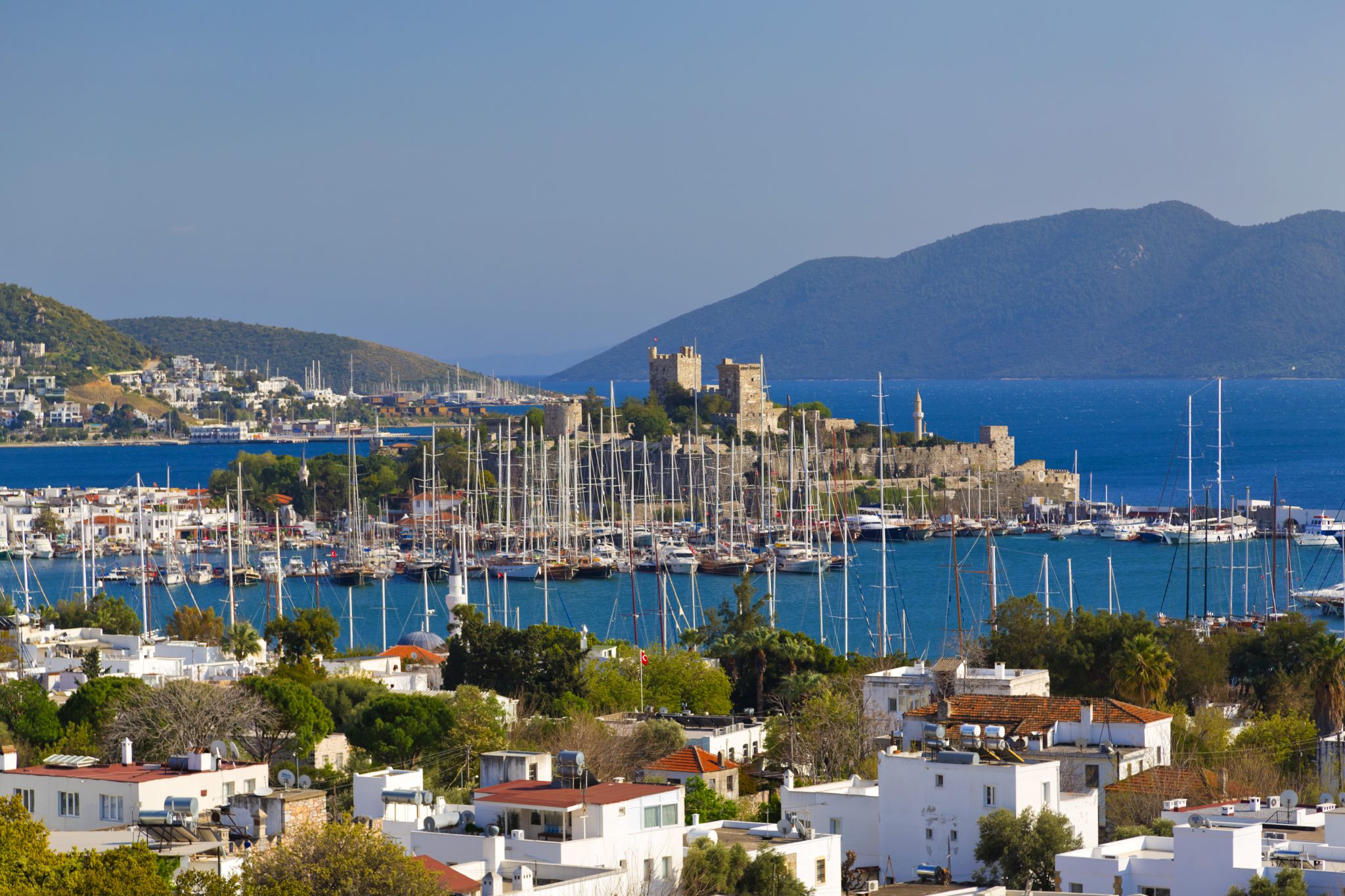
One of the most iconic landmarks in Bodrum is the Bodrum Castle, also known as Castle of St. Peter. Built in the 15th century by the Knights of St. John, this impressive fortress stands between two harbors and offers breathtaking views of the Aegean Sea.
- The castle was strategically designed to withstand attacks from the Ottoman Empire but eventually fell to the forces of Suleiman the Magnificent in 1523.
- The architecture features French, German, English, and Italian towers, each built by knights from different nations.
- The walls of the castle are adorned with medieval coats of arms, giving visitors a glimpse into its storied past.
Museum of Underwater Archaeology
Housed inside the castle, the Museum of Underwater Archaeology is one of the most significant maritime museums in the world. It displays artifacts from shipwrecks dating back to the Bronze Age, including the famous Uluburun Shipwreck, which is believed to be over 3,300 years old.
Must-See Exhibits
- The Glass Wreck Hall – Features an ancient shipwreck filled with glass artifacts.
- The Carian Princess Hall – Displays the remains and golden jewelry of an ancient Carian noblewoman.
- Amphora Collection – A collection of ancient storage jars used in maritime trade.
2. Mausoleum at Halicarnassus: A Wonder of the Ancient World
The Mausoleum at Halicarnassus was one of the Seven Wonders of the Ancient World, built in 350 BCE for Mausolus, a Persian satrap (governor) of Caria.
Key Facts About the Mausoleum
- Designed by Greek architects Satyros and Pythius, it stood 45 meters tall and was adorned with intricate sculptures.
- The word “mausoleum” originates from this grand tomb, which was considered a masterpiece of Greek and Egyptian architecture.
- Although destroyed by earthquakes in the 13th century, its remnants were later used to fortify Bodrum Castle.
Today, visitors can explore the Mausoleum ruins, where original friezes, sculptures, and columns still remain, offering a fascinating glimpse into Bodrum’s ancient past.
3. Bodrum Ancient Theater: A Glimpse Into Classical Antiquity
The Bodrum Ancient Theater, dating back to the 4th century BCE, is one of Anatolia’s oldest theaters.
- It was built during the reign of Mausolus and could accommodate around 13,000 spectators.
- The theater follows the classic Greek design, featuring an orchestra, cavea (seating area), and skene (stage building).
- Today, it serves as a venue for concerts and festivals, allowing visitors to experience performances in a truly historic setting.
Standing atop the Göktepe Hill, the theater offers panoramic views of Bodrum and the Aegean Sea.
4. Myndos Gate: The Entrance to Ancient Halicarnassus
The Myndos Gate is one of the last surviving sections of the walls of ancient Halicarnassus. Built in 360 BCE by King Mausolus, it was an essential defensive structure.
- The gate was a key battleground during Alexander the Great’s siege of Halicarnassus in 334 BCE.
- Today, visitors can see the original towers and fortifications, offering a rare chance to walk through a piece of Bodrum’s ancient past.
5. Zeki Müren Art Museum: The Legacy of a Music Legend
Zeki Müren, known as Turkey’s “Sun of Art”, was a legendary musician and cultural icon.
- His former residence in Bodrum has been transformed into the Zeki Müren Art Museum, showcasing his personal belongings, costumes, and awards.
- The museum provides an intimate look into his life, music career, and contributions to Turkish culture.
For music lovers, this museum is a must-visit to appreciate the legacy of one of Turkey’s most beloved artists.
6. Pedasa Ancient City: The Forgotten Ruins
The Pedasa Ancient City, located in the hills near Bodrum, was once a thriving Lelegian settlement.
- Dating back to the 7th century BCE, Pedasa was known for its resistance against Persian invasions.
- Today, visitors can explore its ancient walls, tombs, and fortress ruins while enjoying breathtaking views of Bodrum’s natural landscape.
7. Dibeklihan Culture and Art Village
For those looking for art and cultural experiences, Dibeklihan Culture and Art Village is a fantastic destination.
- The site hosts art exhibitions, workshops, and traditional craft displays.
- Visitors can explore galleries showcasing contemporary Turkish art and local crafts.
- It is a perfect place to experience Bodrum’s artistic soul while enjoying the serene atmosphere.
Exploring Bodrum’s Timeless Heritage
Bodrum is more than just a beach destination—it is a city where history and culture are intertwined. Whether you are wandering through the halls of Bodrum Castle, standing before the ruins of the Mausoleum, or watching a show at the Ancient Theater, Bodrum’s past comes alive at every corner.
With its archaeological treasures, cultural museums, and historical landmarks, Bodrum offers an unforgettable journey through the ages. Plan your visit and immerse yourself in the rich heritage of this Aegean jewel!